What Is a Field Watch? Everything You Need to Know
A field watch is a rugged, highly legible watch descended from military wristwatches built for soldiers, pilots, and service members who needed reliable timekeeping in the field.
Today, the field watch is one of the most versatile everyday watch styles. It is usually simpler than a dive watch, less specialized than a pilot watch, and more casual than a dress watch. The best examples are easy to read, comfortable on a strap, durable enough for real use, and restrained enough to wear almost anywhere.
History of Field Watches
Field watches came from practical military needs. As wristwatches replaced pocket watches in the first half of the 20th century, soldiers and service members needed watches that could be read quickly, synchronized accurately, and worn comfortably while moving, working, or operating equipment.
One of the most important early templates was the A-11, a World War II-era U.S. military navigation watch produced by brands such as Bulova, Elgin, and Waltham. Its simple dial, center seconds, reliable movement, and utilitarian case helped establish the look people still associate with military field watches.
After World War II, U.S. military specifications such as MIL-W-3818, GG-W-113, and MIL-W-46374 continued to shape the category. These watches prioritized legibility, durability, serviceability, and cost control. Over time, that military language became a civilian style: clean Arabic numerals, matte cases, 12/24-hour dials, canvas or leather straps, and modest case sizes.
Modern field watches still borrow from that same blueprint. A Hamilton Khaki Field, Marathon General Purpose, Bulova Hack, Seiko field-style automatic, or Tudor Ranger may differ in price and finishing, but the core idea is the same: a practical watch that is easy to read and ready for daily use.
What Makes A Watch A Field Watch?
A field watch is not defined by one single complication. It is defined by a group of practical design choices that make the watch useful in the real world.
High Legibility
The dial should be easy to read at a glance. Most field watches use Arabic numerals, clear minute tracks, simple hands, and strong contrast between the dial and markings. Black, white, cream, olive, and dark blue dials are common because they keep the watch readable without visual clutter.
Durable Case
Field watches are usually made from stainless steel, titanium, or resin. Many have brushed or bead-blasted finishes because polished surfaces can feel too dressy and show scratches more easily. Sapphire crystal is ideal, but mineral or acrylic crystals are common on more affordable and vintage-inspired models.
Practical Strap
Canvas, nylon, leather, rubber, and NATO-style straps all work well. The strap is part of the category’s charm: a field watch should feel adaptable, easy to wear, and simple to dress up or down.
12/24-Hour Dial
Many field watches include large 1-12 hour numerals with a smaller 13-24 scale inside the dial. This detail comes from military timekeeping and is one of the easiest ways to recognize the style.
Moderate Case Size
Traditional field watches were often compact by modern standards. Today, many of the best options sit between 36mm and 40mm, though larger watches can still work if the lug-to-lug length and thickness are comfortable.
Useful Water Resistance
A field watch does not need to be a dive watch. For everyday use, 50m can be enough if you are careful, while 100m or more is a better practical target for hiking, travel, rain, and casual outdoor wear.
Milestone Field Watches
The field watch category has several historical anchors. These watches and watch families helped create the design language modern field watches still use.
Field watch timeline
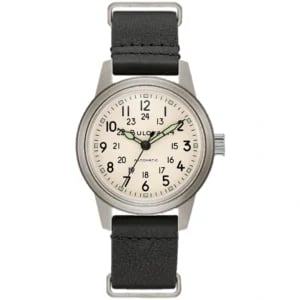
1940s
A-11 Military Template
The World War II-era A-11 helped define the clear, practical military-watch layout that still influences field watches.
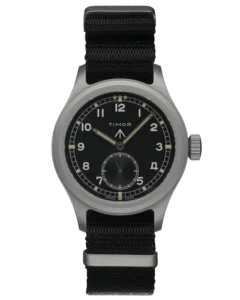
1940s
British WWW Watches
British military wristwatches added another lasting field-watch blueprint: compact cases, clean dials, and tool-first design.
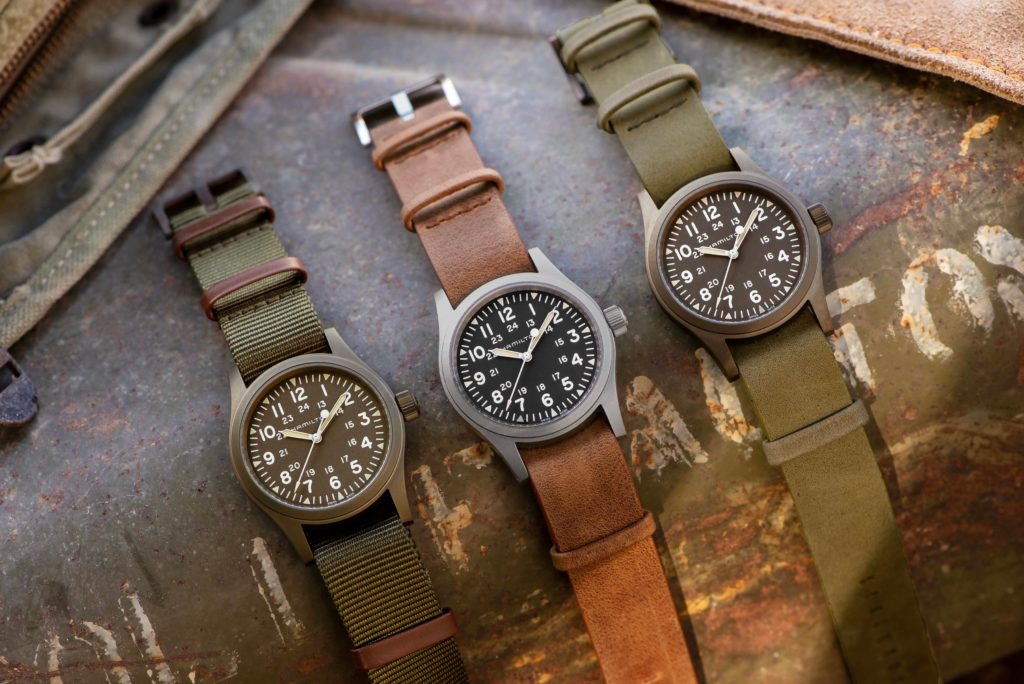
Modern classic
Hamilton Khaki Field
The Khaki Field is the modern reference point for many buyers: military-inspired, wearable, legible, and widely available.
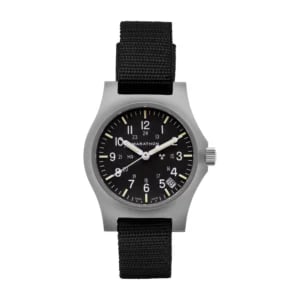
Mil-spec
Marathon General Purpose
Marathon keeps the issued-watch tradition alive with modern general-purpose watches built around military requirements.
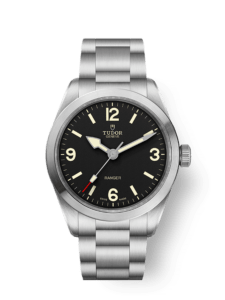
Explorer style
Tudor Ranger
The Ranger shows how the field-watch idea can move upscale while keeping a rugged, straightforward identity.
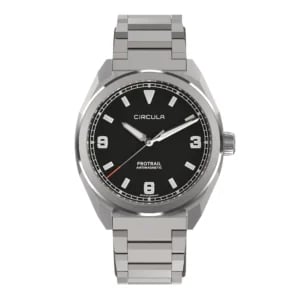
Modern tool watch
Contemporary Field Watches
Newer brands reinterpret the formula with hardened cases, stronger specs, better lume, and more adventurous materials.
Field Watch vs Pilot Watch vs Dive Watch
Field, pilot, and dive watches are all tool-watch categories, but they solve different problems.
| Category | Primary purpose | Typical features |
|---|---|---|
| Field watch | Land, outdoor, and military-style utility | Simple dial, Arabic numerals, practical strap, compact case |
| Pilot watch | Cockpit legibility and aviation timing | Large dial, strong contrast, oversized crown, GMT or chronograph options |
| Dive watch | Water resistance and underwater elapsed-time tracking | Rotating bezel, strong lume, screw-down crown, higher depth rating |
If you want one casual watch that can handle daily life without looking too technical, a field watch is often the easiest choice. If you want water-focused durability, choose a dive watch. If you like aviation styling, larger dials, or travel functions, choose a pilot watch.
Mechanical vs Quartz Field Watches
Field watches work well with almost any movement type. The right choice depends on how much you care about mechanical charm, maintenance, cost, and accuracy.
| Type | Strength | Tradeoff |
|---|---|---|
| Hand-wound mechanical | Historic feel, thinner cases, direct interaction | Needs regular winding |
| Automatic | Mechanical charm with everyday convenience | Usually thicker and more expensive |
| Quartz | Accurate, affordable, durable, low maintenance | Less enthusiast appeal |
| Solar quartz | Very practical for daily wear and travel | Fewer traditional mechanical cues |
There is no wrong answer here. A hand-wound field watch feels the most historically connected, an automatic is often the enthusiast sweet spot, and quartz may be the most practical choice if you want grab-and-go reliability.
Are Field Watches Good Everyday Watches?
Yes. Field watches are some of the best everyday watches because they are simple, wearable, and not overly tied to one setting. A good field watch works with jeans, boots, T-shirts, overshirts, casual tailoring, and outdoor gear.
The key is choosing the right proportions. A 36mm to 40mm field watch with a reasonable thickness and a comfortable strap will usually feel more versatile than a large, bulky watch with extreme specs you do not need.
Best Field Watches By Budget
If you already know you want a field watch, these buying guides are the best next step:
Field Watch FAQ
What is a field watch?
A field watch is a rugged, highly legible watch descended from military wristwatches. It is usually simple, durable, easy to read, and comfortable on a practical strap.
What makes a field watch different from a pilot watch?
A field watch is generally smaller, simpler, and more land-focused. A pilot watch is usually designed around cockpit legibility, larger dials, aviation styling, and sometimes GMT or chronograph functions.
Do field watches have to be military watches?
No. Field watches are inspired by military design, but most modern field watches are civilian everyday watches that borrow the legible dial, durable case, and practical strap format.
Are field watches good everyday watches?
Yes. Field watches are among the best everyday watch styles because they are readable, casual, durable, and easy to pair with many outfits.
What size should a field watch be?
Most buyers are well served by a field watch between 36mm and 40mm. Larger models can work too, but lug-to-lug length and thickness matter more than case diameter alone.
Should a field watch be mechanical or quartz?
Either can be excellent. Mechanical field watches offer heritage and enthusiast appeal, while quartz field watches are usually more accurate, affordable, and low maintenance.
How much water resistance does a field watch need?
For everyday wear, 50m can be acceptable if you are careful. For hiking, travel, rain, and active use, 100m or more is a better practical target.
What strap is best for a field watch?
Canvas, nylon, NATO-style, leather, and rubber straps can all work. The best choice depends on whether you want a rugged outdoor feel, a vintage military look, or a more versatile everyday setup.
Why do field watches often have 24-hour markings?
The 24-hour scale comes from military timekeeping. It helps distinguish afternoon and evening hours at a glance and reinforces the field watch's utilitarian identity.