What Is a Dive Watch? Everything You Need to Know
A dive watch is a water-resistant watch designed to track elapsed time underwater. Traditional dive watches do this with a rotating bezel, strong lume, a highly legible dial, a durable case, and enough water resistance for serious aquatic use.
Today, most people wear dive watches on land. That is part of their appeal: a good diver is rugged enough for swimming, travel, and daily wear, but classic enough to look natural with jeans, a polo, or even a relaxed office outfit.
History of Dive Watches
Before the 20th century, divers did not have a reliable way to keep track of time while under water. During this period, hard hat divers sometimes placed common pocket watches on the inside of their helmets in order to know the time spent under water. The earliest examples of dive watches were custom made timepieces that were water and dust resistant to a certain degree, known as “Explorer’s Watches”. Later, in the early 20th century, professional dive watches were developed in response to a growing demand. Pioneering the market in 1926, Rolex bought the patent for the Oyster watch case featuring a hermetic seal. The watch was extensively tested in the English channel when swimmer Mercedes Gleitze kept it under the chilly water for 10 hours, passing with flying colors. A close second on the market was the Omega “Marine”, the world’s first industrially produced watch. Created in 1932, the “Marine” was a rectangular watch with a removable case and was able to withstand a 70 meter submersion in Lake Geneva. Another notable early example came after a request from the Italian Navy, the “Radiomir” by Panerai. Fun fact, the case for the “Radiomir” was actually made by Rolex.
What Makes A Watch A Dive Watch?
A dive watch is not just any watch with a sporty case and a blue dial. The best divers combine water resistance, readability, durability, and a practical way to measure elapsed time.
Water Resistance
Most modern dive watches are rated to at least 100 meters, but 200 meters is a better practical baseline if you want a watch that feels genuinely ready for water. A higher number does not automatically make a better everyday watch, but it does suggest the case, seals, crown, and crystal were designed with pressure in mind.
Rotating Timing Bezel
The bezel is the ring around the dial. On a traditional dive watch, it rotates so the wearer can line up the zero marker with the minute hand and track elapsed time at a glance. Most dive bezels are unidirectional, meaning they rotate only one way. If the bezel is accidentally knocked, it should make elapsed time look longer rather than shorter.
Legibility And Lume
A dive watch should be easy to read quickly, including in low light. That is why divers usually have large hands, clear minute markings, bold hour markers, and luminous material on the hands, markers, and bezel pip.
Durable Case, Crown, And Bracelet
Dive watches are built for harsher environments than dress watches. Look for corrosion-resistant steel or titanium, a secure screw-down crown, a solid caseback, and a bracelet or strap that can handle water. Rubber straps, steel bracelets, and NATO-style straps are common choices.
ISO 6425 Certification
ISO 6425 is the international standard for true diver’s watches. In plain English, it sets expectations for water resistance, legibility, shock resistance, magnetic resistance, saltwater resistance, and other practical dive-watch requirements. Not every excellent dive watch is ISO-certified, but if a watch says “Diver’s” on the dial or caseback, that wording usually signals formal compliance.
Helium Escape Valves
A helium escape valve is mainly relevant for saturation diving, where tiny helium molecules can enter a watch case under pressure and need a way to escape during decompression. For almost everyone buying a dive watch for swimming, travel, desk diving, or recreational use, it is interesting engineering rather than a must-have feature.
Milestone Dive Watches:
The dive watch category was shaped by a handful of models that solved real underwater problems, then became design references for generations of tool watches. These are the milestone pieces worth knowing first.
Dive watch timeline
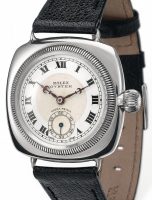
1926
Rolex Oyster
Proved that a sealed wristwatch case could survive real-world water exposure, laying the groundwork for modern waterproof watches.
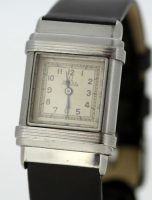
1932
Omega Marine
One of the first purpose-built commercial dive watches, using a removable case system to handle serious underwater pressure.
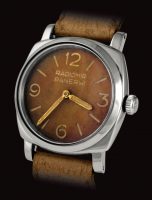
Military diver template
Panerai Radiomir
Built for Italian Navy divers, it helped define the oversized, highly legible military dive-watch template.
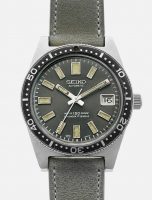
First Japanese diver
Seiko 62MAS
Seiko's first professional dive watch and the starting point for Japan's hugely influential dive-watch lineage.
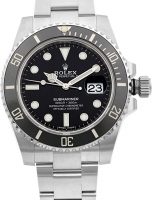
Luxury dive archetype
Rolex Submariner
The archetypal luxury dive watch, setting the visual language most people still associate with divers today.
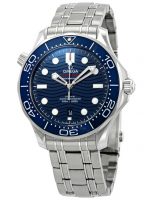
Professional icon
Omega Seamaster
A long-running professional and lifestyle dive-watch family that became one of the Submariner's most important rivals.
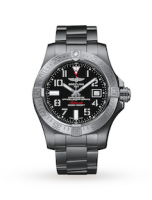
Extreme-depth diver
Breitling Avenger Seawolf
A modern extreme-depth diver that shows how far the tool-watch side of the category can be pushed.
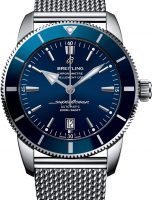
Breitling's core diver
Breitling Superocean
Breitling's core dive-watch line, blending serious water resistance with the brand's sport-watch identity.
Water Resistance Ratings Explained
Water resistance markings can be confusing because the number on the dial or caseback is based on controlled testing, not a promise that every activity at that exact depth is safe. A 30m rating does not mean you should dive 30 meters with it.
| Rating | Usually Suitable For | Dive Watch? |
|---|---|---|
| 30m | Splashes and brief accidental contact | No |
| 50m | Hand washing, rain, light water exposure | No |
| 100m | Swimming and snorkeling for many watches | Borderline |
| 200m | Serious swimming, surface water sports, recreational-style dive use | Yes |
| 300m+ | Professional-style dive watches and greater safety margin | Yes |
| Diver’s 200m / ISO 6425 | Tested to a formal dive-watch standard | Yes |
For most buyers, a 200m or 300m dive watch is the sweet spot. It gives plenty of confidence for real-world water use without forcing you into oversized cases or specialist saturation-diving hardware.
How To Use A Dive Watch Bezel
Using a dive bezel is simple:
- Before entering the water, rotate the bezel so the zero marker lines up with the minute hand.
- As time passes, read elapsed minutes from the bezel.
- If the bezel is unidirectional and gets bumped, it can only make elapsed time appear longer, which is safer than making the dive seem shorter.
This same feature is useful on land too. You can use a dive bezel to time cooking, parking meters, workouts, meetings, or anything else under an hour.
Dive Watch vs Dive Computer
Modern scuba divers usually rely on dive computers, not mechanical watches, as their primary underwater instrument. A dive computer can track depth, time, decompression data, ascent rate, and other safety information that a traditional watch cannot calculate.
That does not make the dive watch obsolete. It still works beautifully as a backup timing tool, a historical object, and one of the most versatile everyday watch styles ever created. The reason the category remains popular is not only function; it is the combination of practical engineering and timeless sports-watch design.
Should You Buy A Dive Watch?
If you want one watch that can handle almost anything, a dive watch is one of the safest choices. It is easy to read, usually water resistant enough for normal life, and visually versatile. The same watch can go from a beach trip to a casual dinner without feeling out of place.
The main tradeoffs are size and thickness. Some divers are chunky, especially models with very high depth ratings. If you have a smaller wrist or want something dressier, look for a compact case, shorter lug-to-lug measurement, and a bracelet or strap that tapers comfortably.
Best Dive Watches By Budget
If you already know you want a dive watch, the next step is choosing the right price range. These guides collect specific recommendations by budget and style:
Dive Watch FAQ
Can you actually dive with a dive watch?
Yes, if the watch is built and maintained for diving. For recreational use, look for a proper diver's watch with strong water resistance, a secure crown, and a functional timing bezel. If you are scuba diving, follow professional safety guidance and use a dive computer as your primary instrument.
Is 100m water resistance enough for diving?
It is the minimum associated with many dive-watch standards, but for most modern buyers, 200m is a better baseline. A 100m watch may be fine for swimming and snorkeling, but it is not the rating I would choose for a serious dive watch unless the model is specifically built and tested for diving.
Why do dive watches have rotating bezels?
The bezel lets you track elapsed time. Align the zero marker with the minute hand, then read the number of minutes passed from the bezel.
What is a unidirectional bezel?
A unidirectional bezel rotates only one way. On a dive watch, that is a safety feature: if the bezel is accidentally moved underwater, it should make elapsed time look longer, not shorter.
What is ISO 6425?
ISO 6425 is the international standard for diver's watches. It covers requirements such as water resistance, underwater legibility, shock resistance, magnetic resistance, and resistance to saltwater corrosion.
Are dive watches good everyday watches?
Yes. That is one of the main reasons they are so popular. Dive watches are durable, readable, water resistant, and easy to wear casually.
Can you wear a dive watch with a suit?
Usually, yes, especially with a slimmer diver in steel or on a clean strap. For black tie or very formal tailoring, a dress watch is still the better choice.
Do you need a helium escape valve?
Almost certainly not. A helium escape valve is useful for saturation diving, but it is not necessary for swimming, snorkeling, recreational wear, or normal everyday use.
What is the difference between a dive watch and a sports watch?
A sports watch is a broad category. A dive watch is a specific type of sports watch designed around water resistance, underwater legibility, and elapsed-time tracking.